

Do Specifications Matter, and What Exactly Are They?
If you are shopping for a new home, you will likely hear the word specifications early on, often without much explanation. It can sound technical and a little intimidating, and many buyers are not quite sure how it fits into the decision-making process.
Specifications matter because they explain what a home is actually built with. They define the materials, finishes, and systems that make up the house, and they play a major role in both quality and final price. When buyers understand specifications, they are better equipped to compare homes accurately and avoid unexpected costs later.
Your specification, or spec, sheet is part of your purchase contract. It outlines everything that goes into your home, from visible elements like cabinetry, flooring, and fixtures to behind-the-scenes details such as framing, heating systems, insulation, and energy efficiency. While it may not be the most exciting document at first glance, it becomes one of the most important as you move through the buying process.
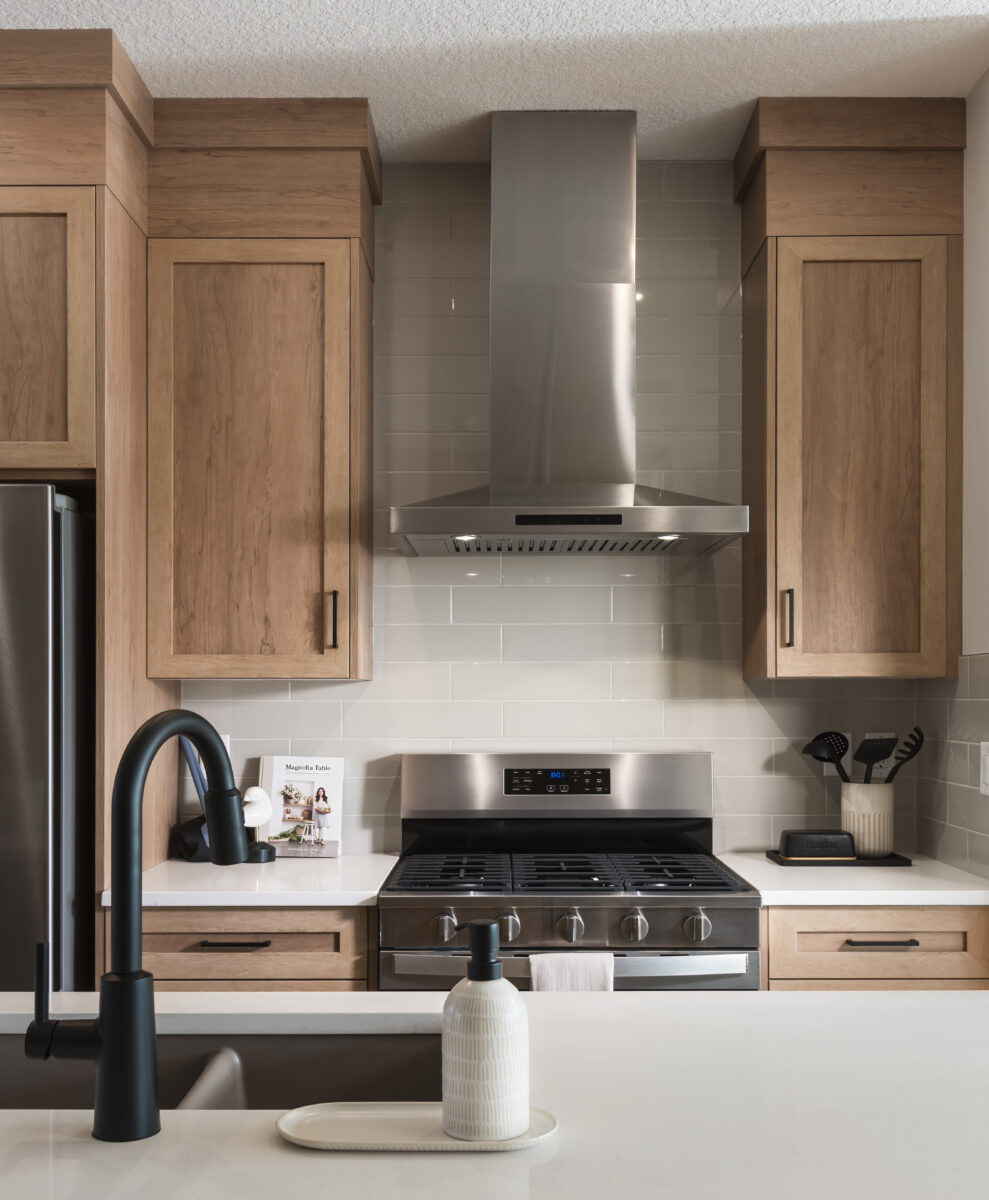
Understanding Specifications in Practice
Many buyers begin their search by focusing on floor plans, neighborhoods, and price. At first, homes can appear very similar. It is often only after a few Showhome visits that differences start to emerge.
This is usually when specifications begin to matter. Buyers start noticing that certain features they assumed were included are not standard across all builders. That is where reviewing a spec sheet becomes helpful. It provides clarity around what is included and what may require an upgrade, helping buyers understand why prices differ.
At Broadview Homes, for example, many features that are upgrades with other builders are included as standard, such as kitchen cabinetry built to the ceiling, precast concrete front steps or porches, two-stage high-efficiency furnaces, and nine-foot basement ceilings. These details may seem small on their own, but together they shape how a home functions and feels over time.
Taking the time to understand specifications helps ensure there are no surprises when it comes to performance, comfort, or overall cost.

Comparing Apples to Apples
Comparing builders can be challenging without a clear point of reference. Base prices alone do not tell the full story, especially when specifications vary from one builder to another.
This is where comparing specification sheets side by side becomes valuable. Looking at what each builder includes as standard helps buyers see where differences exist and what would need to be added to achieve a similar level of finish or quality.
Evaluating homes this way allows for a true apples-to-apples comparison. A lower price may seem appealing at first, but differences in materials, finishes, construction quality, and upgrade pricing often explain the gap once specifications are reviewed more closely.

Don’t Be Afraid to Ask Questions
As buyers begin reviewing specification sheets more closely, questions naturally come up. Some terms may be unfamiliar, and it is not always obvious what impact certain features have on comfort, performance, or cost.
This is where your Area Manager becomes an important resource. Talking through what is included, what is optional, and what matters most to you helps bring clarity to the process. Your Area Manager can explain specifications in plain language and help you understand which upgrades may be beneficial and which may not be necessary.
Asking questions early helps buyers feel confident in what they are choosing and ensures there are no misunderstandings later in the process.
The Higher Price May Save You Money
Once buyers start asking the right questions and comparing specifications more closely, pricing often begins to make more sense.
A home with a slightly higher starting price may include stronger standard specifications, meaning fewer upgrades are required to achieve the level of quality you expect. In contrast, a lower base price can be offset later by higher upgrade costs during the design and selection phase.
Understanding specifications from the beginning allows buyers to make a more accurate comparison between builders, align their choices with their budget, and avoid unexpected costs. In many cases, what appears more expensive at first glance may offer better overall value once everything is considered.